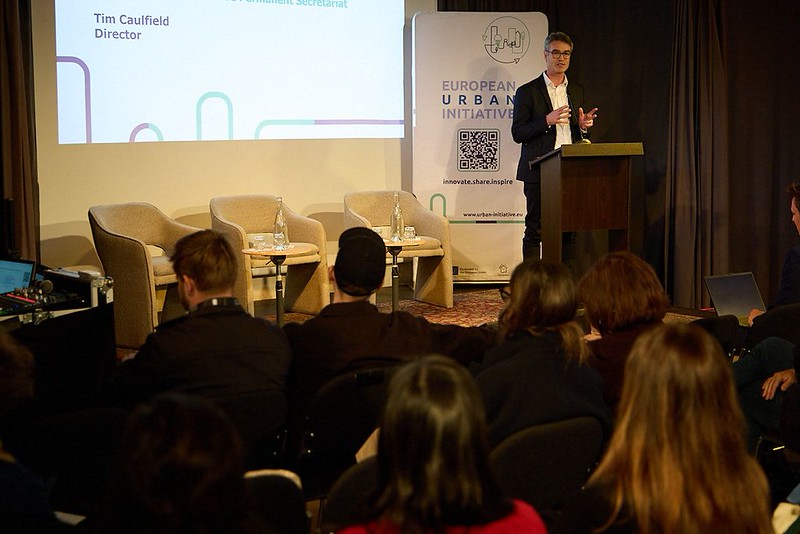
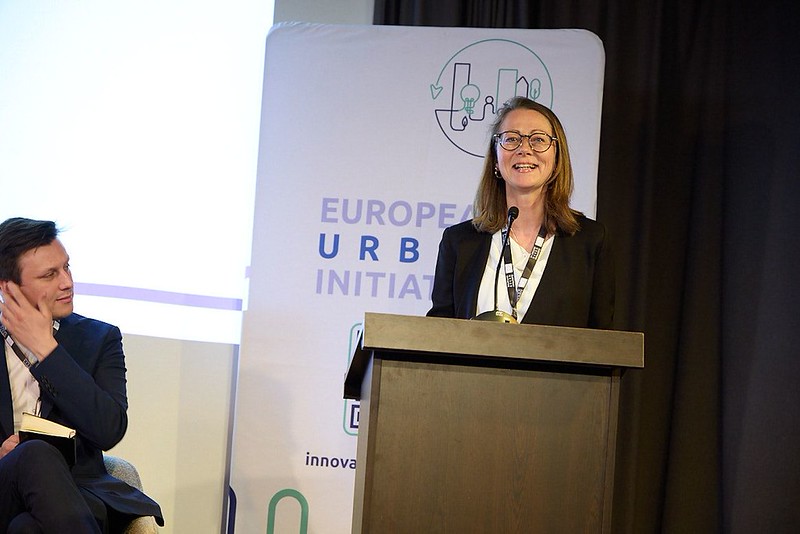
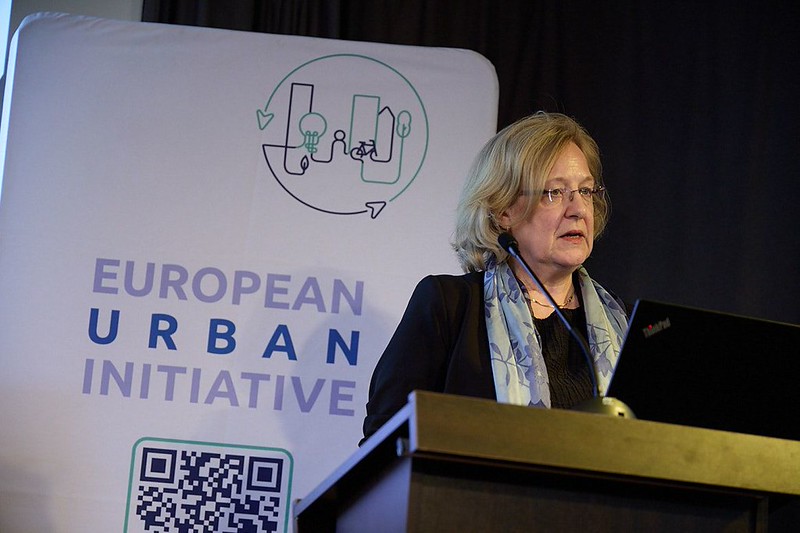
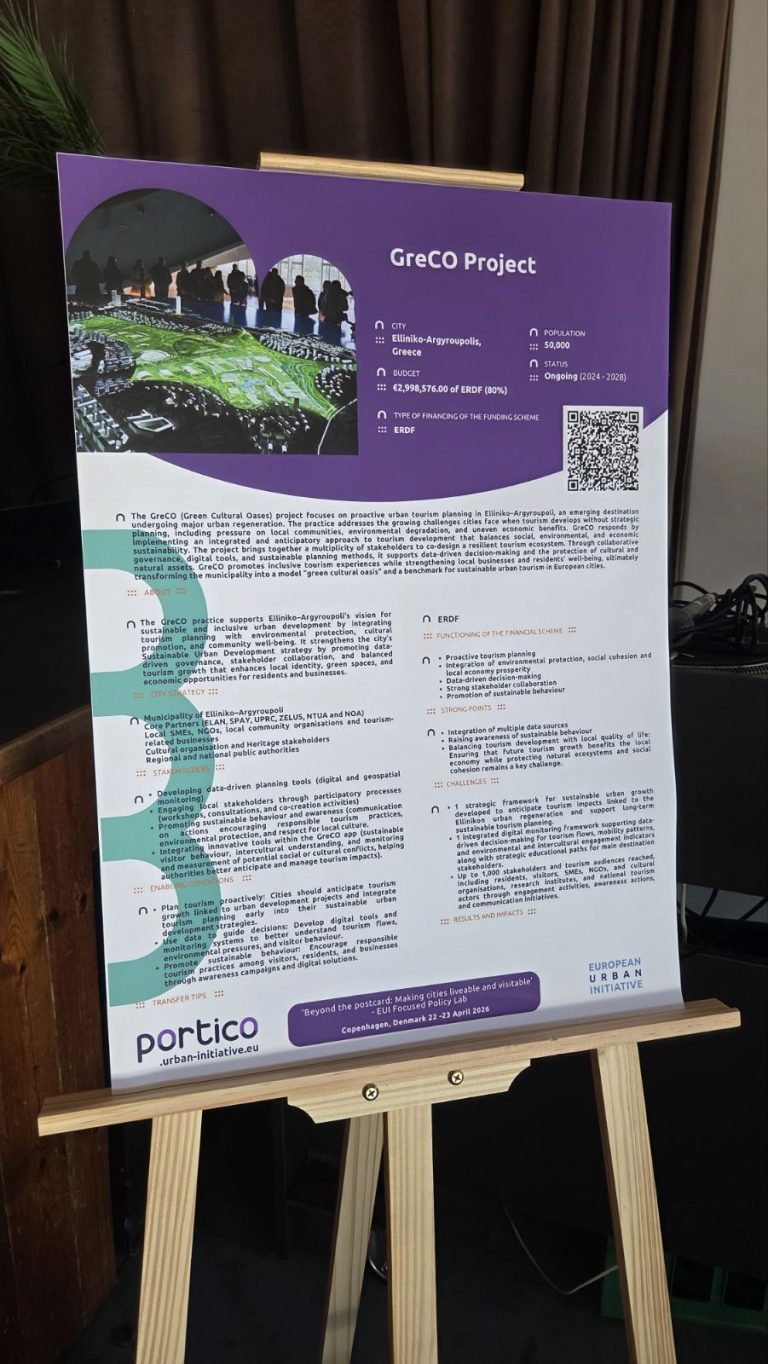
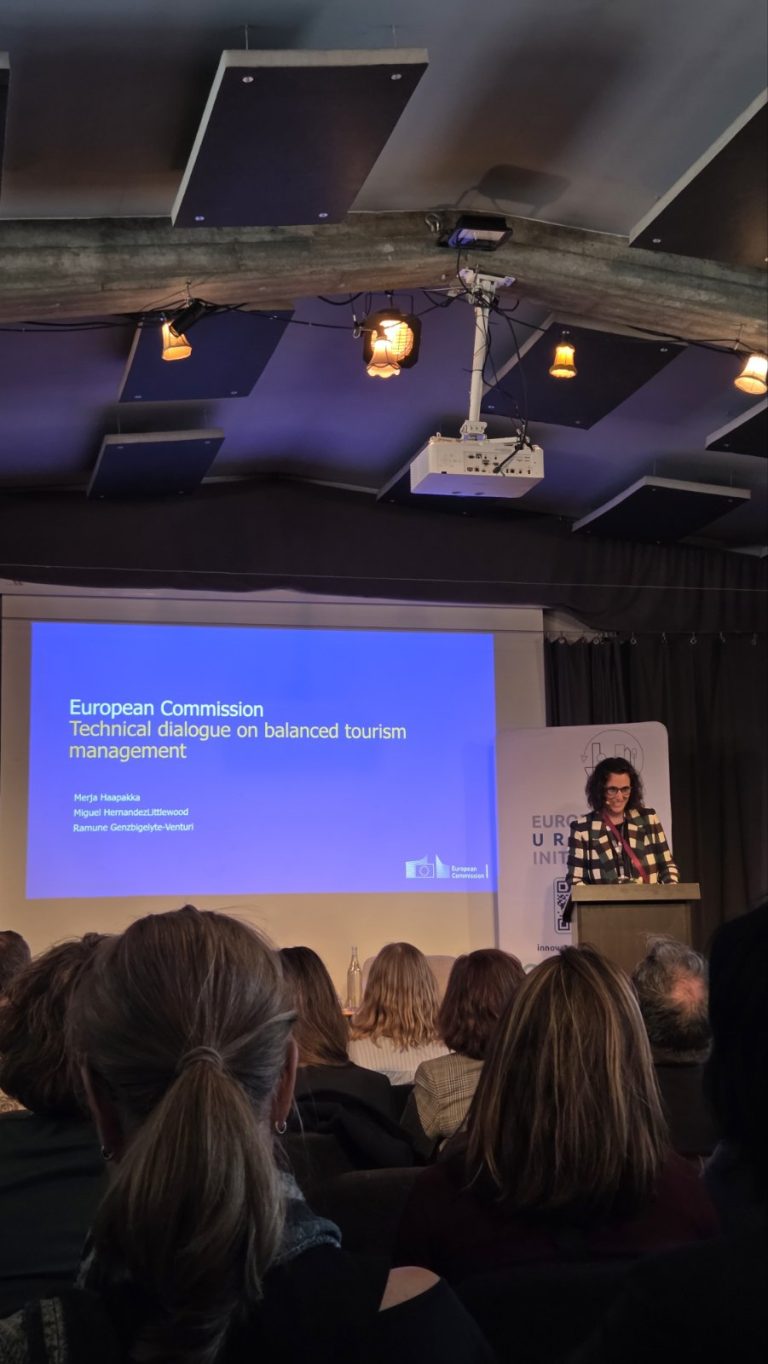
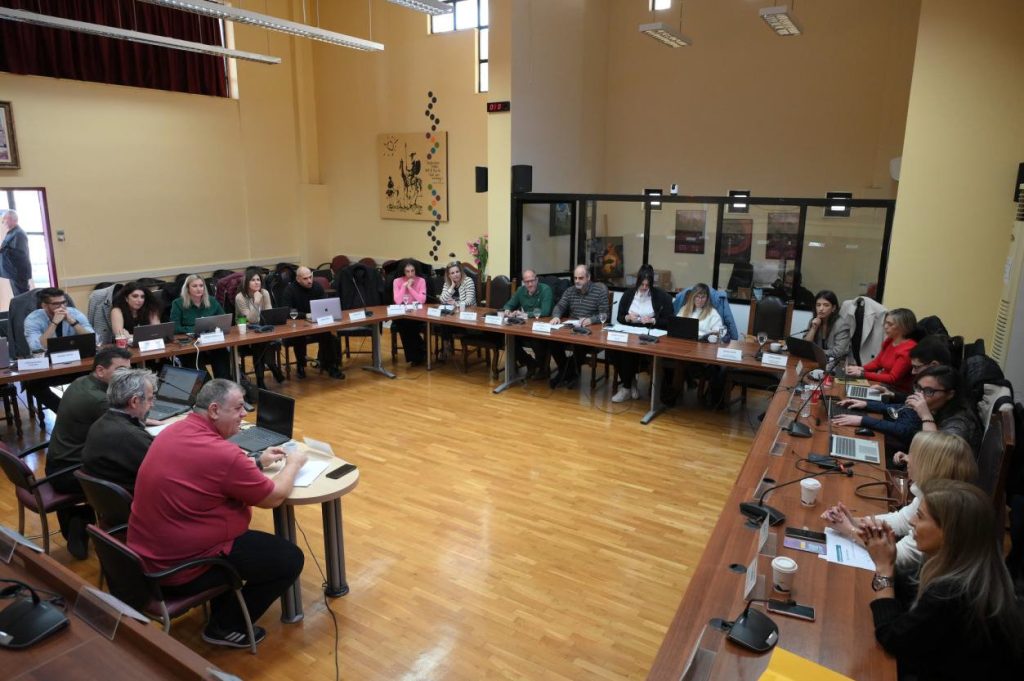
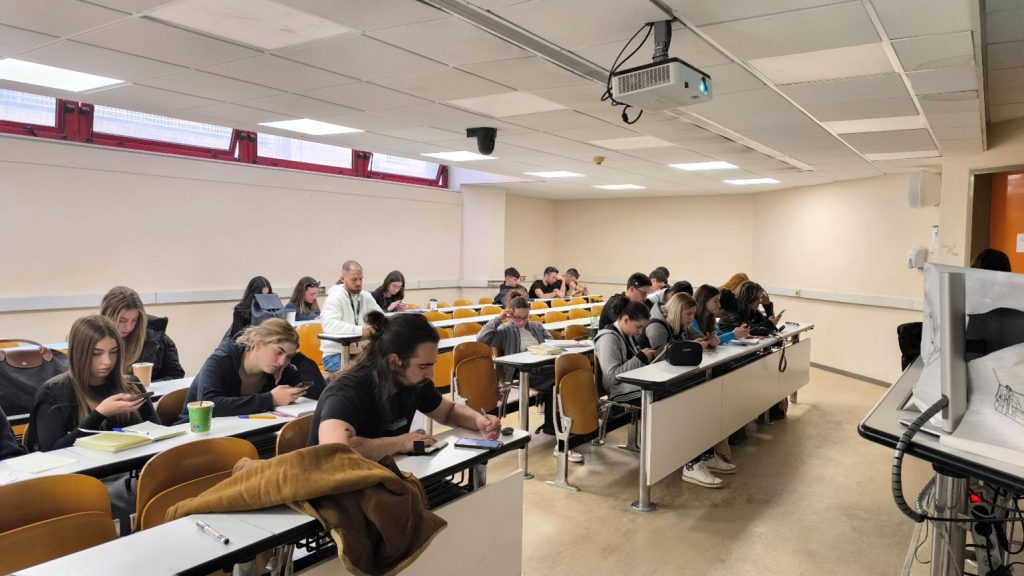
The GreCO Project successfully participated in the European Commission Technical Dialogue & European Urban Initiative Focused Policy Lab on Sustainable Tourism, held on 22–23 April 2026 in Copenhagen.
This important European event brought together city representatives, policymakers, researchers, and urban practitioners from across Europe with a shared goal: shaping the future of sustainable tourism through collaboration, innovation, and knowledge exchange. The two-day dialogue focused on some of the most pressing priorities for the tourism sector today, including the green transition, digitalisation, inclusiveness, balanced tourism management, and the promotion of sustainable visitor behaviour and experiences. The discussions and outcomes of the event are expected to contribute directly to the development of the upcoming EU Strategy for Sustainable Tourism.
During the event, the GreCO Project presented its innovative approach to proactive urban tourism planning, highlighting the importance of building tourism ecosystems that are resilient, inclusive, culturally enriched, and community-oriented. Through the integration of digital tools, participatory approaches, and local engagement strategies, the project demonstrated how sustainable tourism can become a catalyst for both urban development and cultural preservation.
Participation in the Policy Lab also provided a valuable opportunity to connect with fellow EU-funded projects, institutional stakeholders, and experts in sustainable urban development. Through meaningful exchanges and collaborative discussions, participants shared best practices, innovative methodologies, and practical solutions aimed at supporting a more people-centred and sustainable tourism model across Europe.
A central theme throughout the event was the need to create tourism strategies that balance economic growth with environmental responsibility and social well-being. The conversations emphasised that the future of tourism depends not only on technological innovation and policy frameworks but also on empowering local communities, protecting cultural identity, and encouraging responsible travel experiences.
The GreCO Project’s contribution reinforced the importance of cross-sector collaboration in addressing contemporary tourism challenges and showcased how European initiatives can actively support cities in their transition toward smarter and more sustainable tourism models.